Pliant AllianceSoftware & Systems Notes

Agile & Pliant Development

Notes on agile practice, pair programming, and how teams actually collaborate day to day.

Soft watercolour scene in warm gray and green tones evoking a quiet, orderly workspace with layered rectangular shapes suggesting desks and shelving, calm and studious mood

Defining Pliant Development

Agility in practice, not just theory

"Agile - In Theory" looked at what agility means once teams move past slogans and into daily habits: shorter feedback loops, lighter process overhead, and a willingness to adjust plans as real constraints surface. The posts collected here treat agility as a working stance rather than a fixed checklist.

"Solve The Real Problem" pushed this further, arguing that process choices should follow from the actual problem a team faces rather than from adopting a methodology wholesale. That thread runs through the rest of the material on this page.

Soft watercolour illustration in muted sage and stone tones of a stacked, layered wall texture suggesting steady, built-up structure and quiet focus

Pair Programming, Reconsidered

Where full-time pairing runs into limits

"Against 100% Pair Programming" made the case that constant pairing, applied without exception, can wear on a team rather than strengthen it. The post questioned treating pairing as a blanket rule instead of a tool used where it fits the task at hand.

Related: "Growing Teams" examined how pairing and collaboration habits shift as a team adds people, and what tends to break down first.

Collaboration Noise

Open workspaces and focus

"Collaboration Noise" addressed a familiar tension in open, collaborative workspaces: the same setup that makes quick conversation easy can also fragment concentration. The post weighed the trade-off rather than settling on one fixed layout as correct.

From the Archive

Posts referenced on this page

Tuesday, July 25, 2006

Agile - In Theory

An early look at what agility means once it leaves the whiteboard.

Contemporary kitchen, bedroom, and bathroom design begins with a sense of atmosphere, treating each room as a composition of light, material, and texture rather than a checklist of features. Soft sage walls set a calming backdrop, while deeper forest green accents in cabinetry, upholstery, or tile trim introduce a grounded, earthy rhythm. Photography across the page adds surprising pops of pink, purple, orange, and blue, echoing the way a real home absorbs color through art, plants, and textiles over time.

Typography shapes the editorial mood of the site just as much as the furnishings do. Serif letterforms, slightly rounded and unmistakably classic, lend a gallery-pamphlet feeling to every section header, while a lighter serif body keeps reading easy and unhurried. The result feels closer to a curated design magazine than a typical product catalog, where margins breathe and square-cornered photographs sit confidently in negative space without the need for borders or drop shadows.

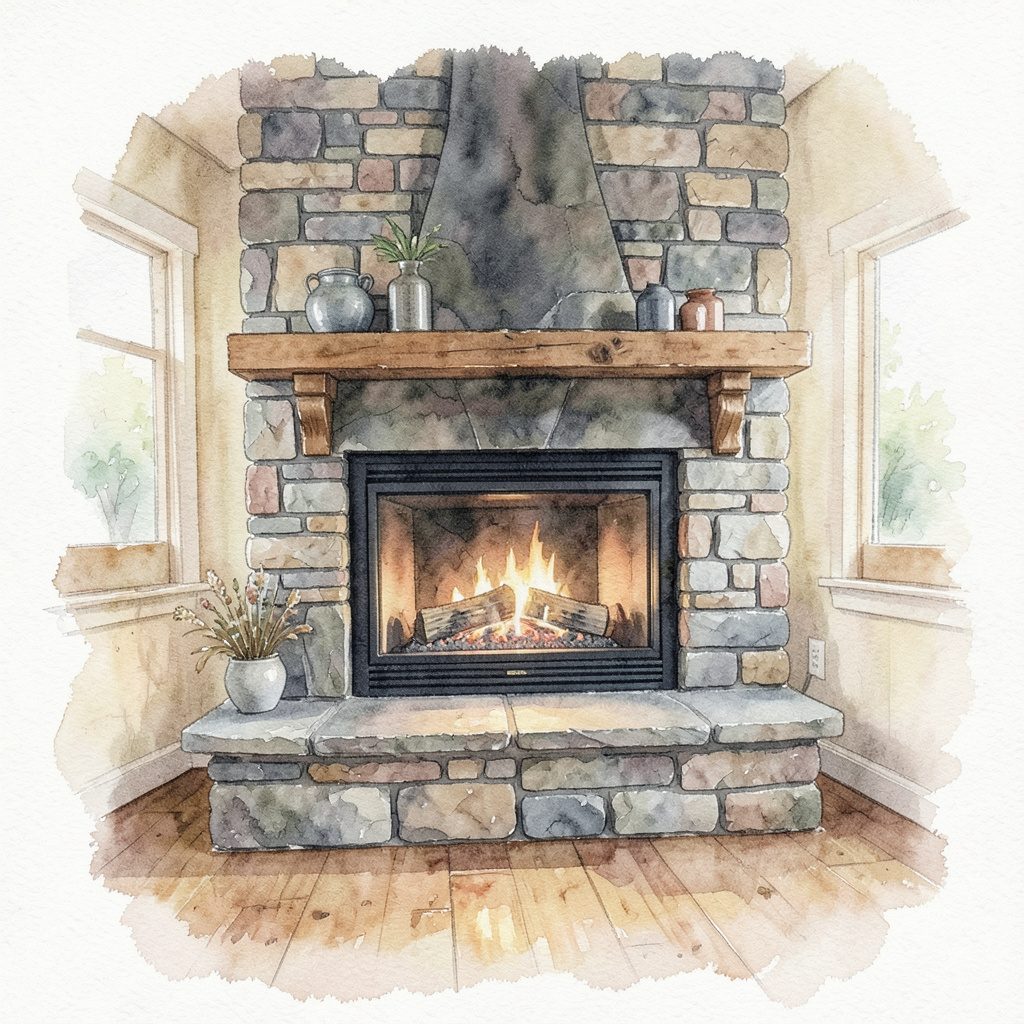
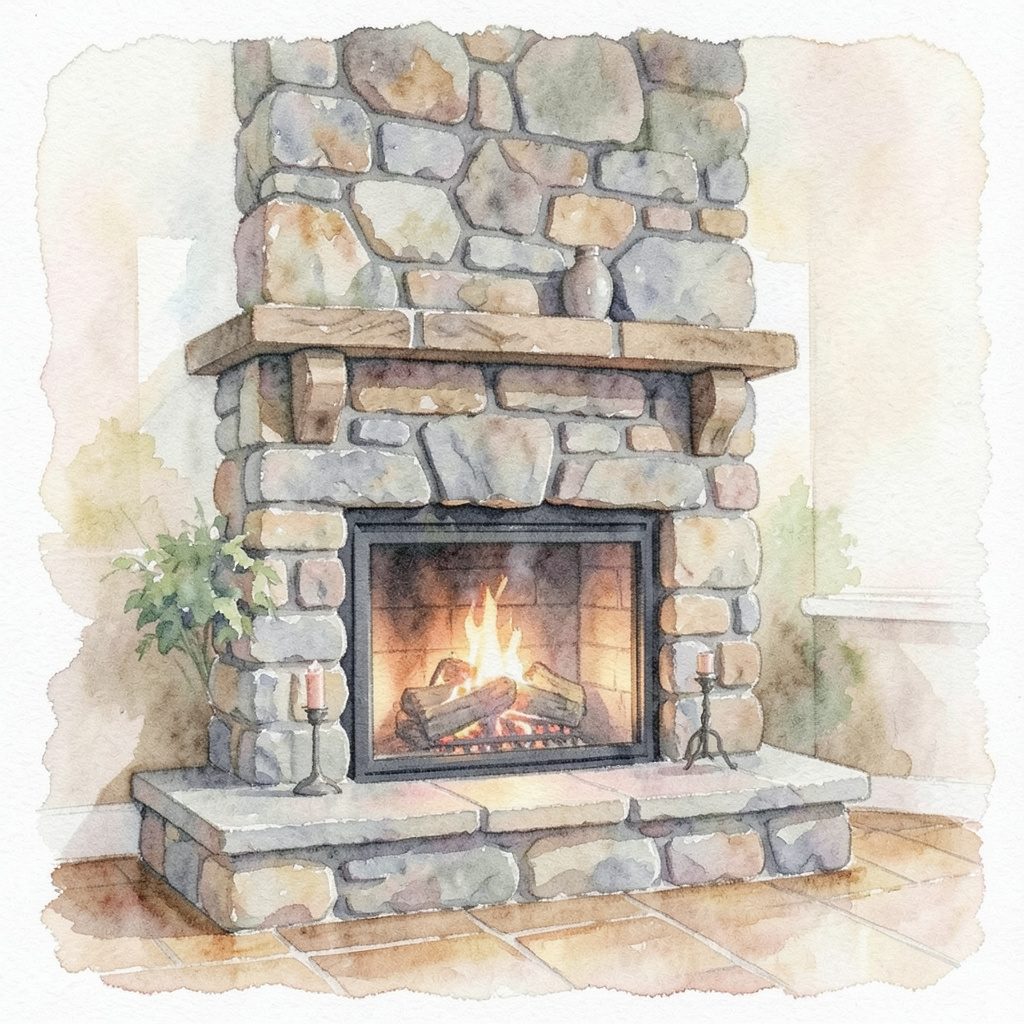
Bedroom interiors lean into layered comfort, pairing platform beds and upholstered frames with stacked pillows, bean bag chairs, and reading nooks tucked near windows. Built-in storage, woven baskets, and warm wood floors add a sense of permanence, while hanging plants and soft throws keep the mood relaxed. Stone veneer fireplaces, ceiling-mounted fixtures, and carefully placed wall art create focal points that feel collected rather than staged.

Bathroom and kitchen spaces follow the same principles of restraint and material honesty. Floating vanities, stainless steel ranges, and minimalist hardware let stone countertops and patterned flooring take center stage. Color arrives through unexpected details: a painted wall, a single piece of decor, a vase of flowers on a kitchen island. Outdoor areas, basement retreats, and small office corners extend the palette, proving that contemporary design works best when every room shares a quiet, consistent point of view.

Monday, July 31, 2006

Against 100% Pair Programming

A case against pairing as an unconditional rule.

Thursday, August 31, 2006

Growing Teams

How collaboration patterns shift as headcount grows.

Friday, September 1, 2006

Collaboration Noise

Weighing openness against focus in shared workspaces.

Wednesday, June 28, 2006

Solve The Real Problem

Choosing process based on the problem, not the fashion.

More Context

Continue reading

For the site's broader focus and the background behind these posts, see the About page. For the rest of the resource collection, return to Home.